Oxford University Press's
Academic Insights for the Thinking World

Book thumbnail image

Ten constitutional preambles you may not know

How do nations across the globe declare their intent in the formation of a new government? To celebrate the launch of the innovative, new platform Oxford Constitutions of the World, we have highlighted a broad range of preambles from several jurisdictions below and the full constitutions freely available on the Oxford Constitutions of the World site for a limited time.
Read More
Book thumbnail image

Confronting habitat loss in the 21st Century

According to the Convention on Biological Diversity, ‘habitat’ means the place or type of site where an organism or population naturally occurs. Tomorrow is World Habitat Day. The obvious question is, why do we need a day devoted just to habitat? The short answer is that loss of habitat is now the foremost conservation concern of the 21st century.

Read More
Book thumbnail image

Celebrating World Teachers’ Day

By Jamie Zibulsky
Today is World Teachers’ Day. What is World Teachers’ Day, you ask? It is “a day [first celebrated in 1994 by the United Nations Educational, Scientific and Cultural Organization] devoted to appreciating, assessing, and improving the educators of the world.” This internationally recognized day commemorates teachers around the globe and their commitment to children and learning.

Read More
Book thumbnail image

Five things you may not know about Chester Arthur

By Michael Gerhardt It is hard to imagine there is anything worth knowing about Chester Arthur. Many Americans might not even recognize that he was a president of the United States. By almost any measure, he is one of our most forgotten presidents: Never elected to the office in his office and a political hack […]

Read More
Book thumbnail image

A medieval saint in modern times

By Kandice Rawlings
Saint Francis of Assisi died on this day in 1226, and when he was canonized just two years later, the fourth of October became his feast day. Even before his sainthood was official, St Francis was a popular figure among the faithful, and the religious order he had founded already had chapters throughout Europe.

Read More
Book thumbnail image

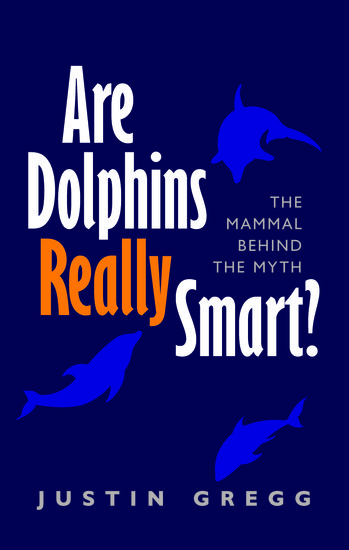
The precarious future of ocean megafauna

By Justin Gregg
Being an enormous, hulking beast has long been an effective defense mechanism. The plains and forests of North America were once teeming with colossal creatures like giant ground sloths and woolly mammoths, behemoths that plodded along safe in the knowledge that few predators would dare challenge them.

Read More
Book thumbnail image

The first woman senator

While I was racing through the tunnels that link the concourses at Atlanta’s Hartsfield-Jackson International Airport, trying to make a tight connection, faces of famous Georgians adorning the walls flashed by. Among them I spotted Rebecca Latimer Felton and wondered how many other travelers might recognize her as the first woman to serve in the United States Senate. Not that her term lasted all that long. When the governor appointed her on October 2, 1922, the Senate was not in session. By the time it convened in November, an election had taken place that chose her successor.

Read More

Images from Broadway’s past

In Anything Goes, Broadway historian Ethan Mordden takes us on a tour of the history of Broadway musicals over the past 100 years. From classical shows to Bernadette Peter’s recent turn in the 2011 production of Follies, take a tour of the evolution of the musical through the years and “all that jazz” that is has captivated audiences for ages.

Read More
Book thumbnail image

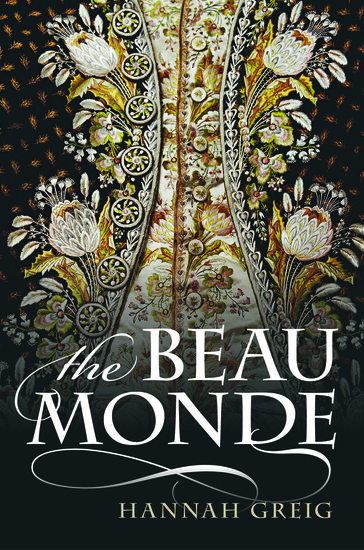
In the footsteps of the fashionable world

By Hannah Greig
Each autumn, throughout the 1700s, London’s West End was transformed. Previously quiet squares were populated again, first by servants and tradesmen. After the houses were readied, their employers journeyed to the capital from their country estates between October and January. Snow, noted one observer, ‘brings up all the Fine folks [to London], flocking like half-frozen birds into a Farm-yard, from the terror…of another fatal month’s confinement…in the country’.

Read More

Ostentatious breeches, gods’ braggadocio, and ars poetica

By Anatoly Liberman
As promised, I am returning to the English verb brag and the Old Scandinavian god Bragi (see the previous post). If compared with boast, brag would seem to be more suggestive of bluster and hot air. Yet both may have been specimens of Middle English slang or expressive formations.

Read More
Book thumbnail image

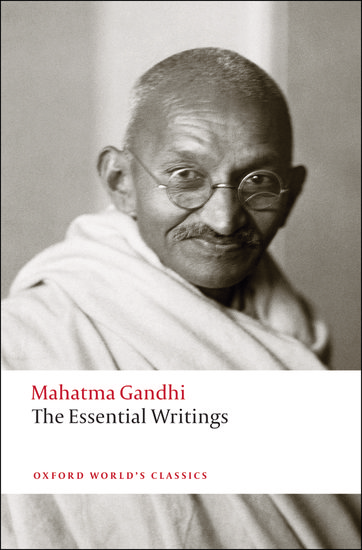
Why is Gandhi relevant to the problem of violence against Indian women?

By Judith M. Brown
The global media has, in recent months, brought to the attention of a world audience the prevalence of violence against women in India. The horrific rape of a woman student, returning home after watching an early evening showing of The Life of Pi, in Delhi in December 2012, and the subsequent trial and conviction of her drunken and violent attackers, has led to considerable comment about violence against women.

Read More
Book thumbnail image

Feral politics: Searching for meaning in the 21st century

By Matthew Flinders
Could it be that conventional party politics has simply become too tame to stir the interests of most citizens? With increasing political disaffection, particularly amongst the young, could George Monbiot’s arguments about re-wilding nature and the countryside offer a new perspective on how to reconnect disaffected democrats? In short, do we actually need feral politics?

Read More