
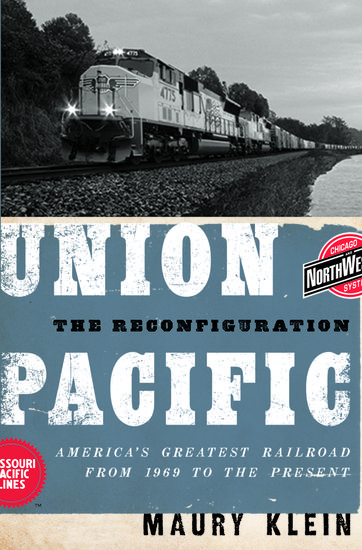
The significance of Golden Spike Day
By Maury Klein
For Americans in 1869, the driving of the golden spike, which joined the Union Pacific and Central Pacific railroads at Promontory Point, Utah, on May 10, carried a significance similar to that of the first moon landing for a later generation. It marked the conquest not only of distance, but of a landscape that was as alien to most Americans as the moon. It bound together the far-flung ends of a nation still licking its wounds from a bloody and divisive civil war. Travelers could now go from New York to California via a series of trains in seven days, a journey that earlier took 35 days across the fever-infested Isthmus of Panama or five months for the perilous sail around Cape Horn. In the process they could also glimpse the West that few of them had ever seen and was already an American mythology in the making.