Oxford University Press's
Academic Insights for the Thinking World

  • History

Book thumbnail image

Social injustice and public health in America

By Barry S. Levy and Victor W. Sidel
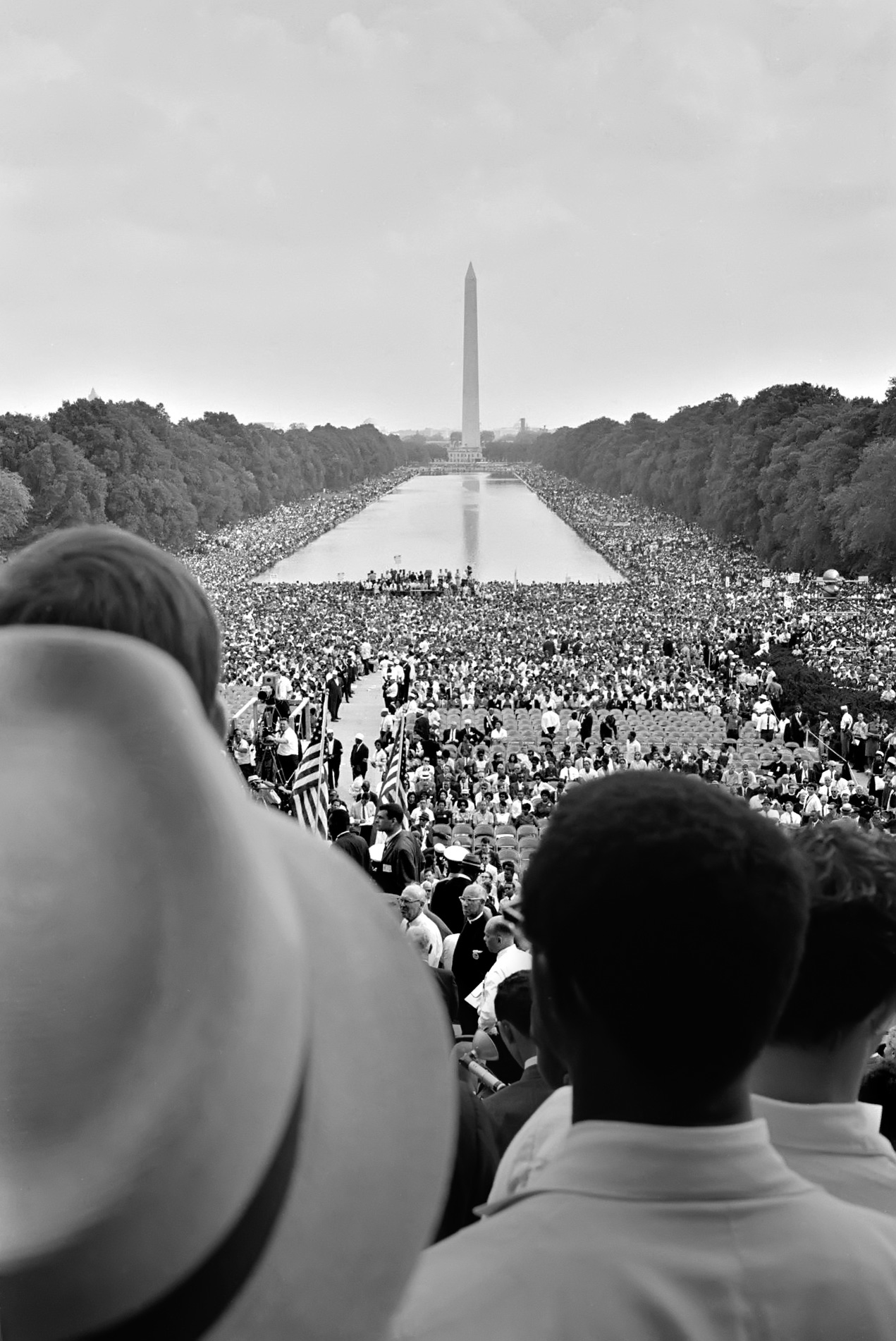
Although there has been much progress in the United States toward social justice and improved health for racial and ethnic minorities in the 50 years since the 1963 March on Washington and Dr. Martin Luther King’s “I Have a Dream” speech, much social injustice persists in this country — with profound adverse consequences for the public’s health.

Read More
Book thumbnail image

Women’s Equality Day

By Sally G. McMillen
Today we celebrate Women’s Equality Day in commemoration of the certification of the 19th Amendment, granting of women’s right to vote throughout the country. Women in the United States were granted the right to vote on 26 August 1920.

Read More
Book thumbnail image

Shakespeare’s hand in the additional passages to Kyd’s Spanish Tragedy

By Douglas Bruster
Why should we think that Shakespeare wrote lines first published in the 1602 quarto of The Spanish Tragedy, a then-classic play by his deceased contemporary Thomas Kyd? Our answer starts 180 years ago, when Samuel Taylor Coleridge—author of ‘Kubla Khan’ and The Rime of the Ancient Mariner—said he heard Shakespeare in this material.

Read More
Book thumbnail image

Krakatoa

By Bill McGuire
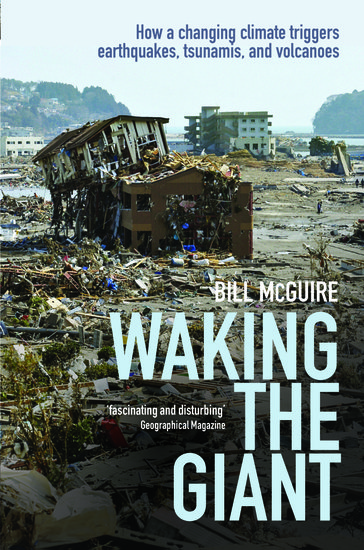
I know that if I ask someone to name a single volcano, the chances are that they will hit upon Krakatoa; such is the degree to which the cataclysmic 1883 blast of the volcano has etched itself into the public consciousness. Remotely located in the Sunda Strait, between the Indonesia islands of Sumatra and Java, the islands that made up the long-dormant volcano were pretty much unheard of prior to August, 130 years ago, when all hell broke loose.

Read More

10 facts about Galileo Galilei

One of the most prolific scientists of all time, Galileo’s life and accomplishments have been studied and written about in detail. From his discovery of the moons of Jupiter to his fight with Pope Urban VIII, noted authors and playwrights have been fascinated with both Galileo’s life and work.

Read More
Book thumbnail image

Remembering the slave trade

By Jean Allain
Today is International Day for the Remembrance of the Slave Trade and its Abolition, established by UNESCO “to inscribe the tragedy of the slave trade in the memory of peoples”. That tragedy was the development of, in Robin Blackburn’s words, a “different species of slavery”. One that took the artisan slavery of old (consisting in the main of handfuls of slaves working on small estates or as domestic servants) and industrialised it, creating plantations in the Americas which fed the near insatiable appetite of Europeans for sugar, coffee, and tobacco.

Read More
Book thumbnail image

A Who’s Who of the Edinburgh Festival

By Daniel Parker
It’s that time of year again; Edinburgh is ablaze with art, theatre and music from around the world. For the month of August, Edinburgh is the culture capital of the world, as thousands of musicians, street-performers, actors, comedians, authors, and artists demonstrate their art at various venues across the city. Listed in Who’s Who and Who Was Who are some of the most famous names to have performed at the festival since its inception in 1947.

Read More
Book thumbnail image

Who were the Carlisle Commissioners? Part two: Jeremy Bentham

By Daniel Parker
Jeremy Bentham wanted to become a Carlisle Peace Commissioner but his application was wilfully ignored by Governor Johnstone. The Carlisle Peace Commissioners set out to the United States in 1778, three years into the American Revolutionary War, to negotiate a peace treaty.

Read More
Book thumbnail image

Celebrating Coco Chanel (1883-1971)

By Audrey Ingerson
“I, who love women, wanted to give her clothes in which she could drive a car, yet at the same time clothes that emphasized her femininity, clothes that flowed with her body. A woman is closest to being naked when she is well dressed.”

Read More
Book thumbnail image

Who were the Carlisle Commissioners? Part one

By Dr. Robert V. McNamee
In July, Electronic Enlightenment (EE) updated with materials taken from the Virginia Historical Society and the correspondence of Adam Ferguson, amongst others. These apparently disparate historical correspondences (and others already published in EE) are brought together within this unique digital framework so that students, scholars and the public can read, in this instance, “across the Atlantic”.

Read More
Book thumbnail image

The black quest for justice and innocence

By Brenda Stevenson
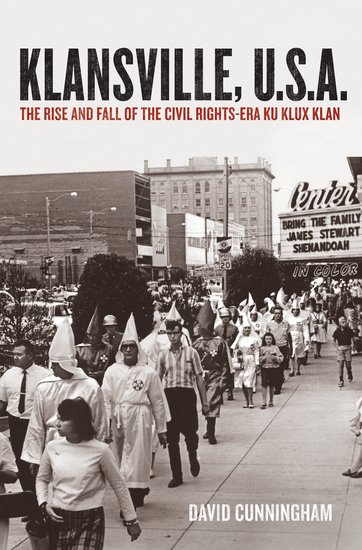
Those who followed the Trayvon Martin case this summer did so not just because of the conflicting details of the shooting deaths of these two unarmed black youth, but because these cases, like too many others, have played out in our public consciousness as markers of American justice. Does “liberty and justice for all” actually exist; or are these words from our Pledge of Allegiance just part of the grand American narrative that is more myth than reality?

Read More
Book thumbnail image

Antarctica in the imagination

Long before it was first spotted in 1820, Antarctica has captured imaginations, and the many quests undertaken to explore it never fail to be dramatic adventures. Although Antarctica has been and continues to be studied, many do not know the continent’s past and the challenges it will face in the coming decades.

Read More
Book thumbnail image

What were the Red Sea Wars?

An inscribed marble throne at the Ethiopian port of Adulis offers us a rare window into the fateful events comprising what has come to be known as the “Red Sea Wars.”

Read More
Book thumbnail image

Crossbow competitions and civic communities

By Laura Crombie
In the popular imagination, tournaments feature prominently as the greatest spectacles of the Middle Ages. If archery competitions are thought of, it is probably in the context of Robin Hood films or the great English longbow (and the successes it brought, particularly Agincourt).

Read More